 admin
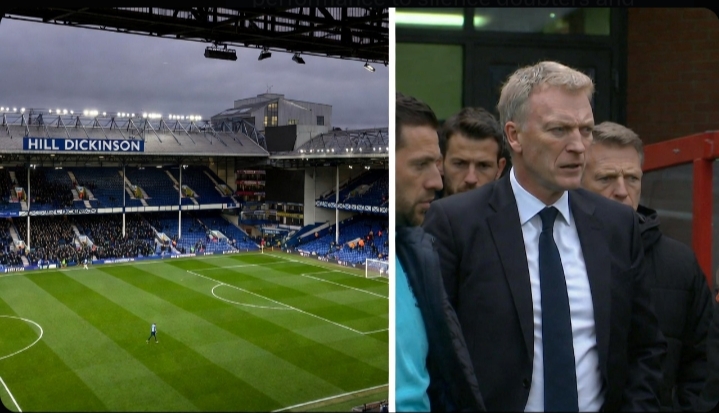
adminEverton’s spectacular £800m Hill Dickinson Stadium was supposed to mark the dawn of an exciting new chapter—a striking architectural gem rising from Liverpool’s docklands, embodying hope after years of instability. Yet, only months after opening its doors, the Toffees find themselves battling a troubling bout of “new stadium syndrome,” with home results crumbling and unease spreading through the crowd.
The Blues have managed just five wins in 15 outings at their state-of-the-art waterfront venue. Their most recent home triumph—an emphatic 3-0 victory over Nottingham Forest—now feels like a distant memory, dating back over two months. What began with optimism has gradually descended into nervousness.
Sunday’s disappointing 2-1 loss to AFC Bournemouth perfectly illustrated the growing unease. Everton grabbed an early lead but quickly retreated under sustained pressure. Jake O’Brien’s red card swung momentum irreversibly, and when Bournemouth snatched a late winner, the reaction wasn’t outrage—it was weary acceptance.
Fans have described the mood inside the stadium as “brittle” and “anxious” whenever the opposition scores—a far cry from the defiant energy that defined Goodison Park for generations.
“It feels like we’re constantly looking over our shoulders,” observed BBC fan columnist Briony Bragg. “The moment the other team scores, there’s genuine panic in the air—nothing like the old Goodison roar that used to lift the players.”
At Goodison, tension typically translated into raw intensity. The tight, cramped stands amplified every shout, every challenge, every attacking surge. At Hill Dickinson, the vast open spaces offer impressive views—but many feel the intimacy has been lost. Where visiting teams once crumbled under the weight of noise, now it sometimes seems Everton’s own nerves spread faster than their confidence.
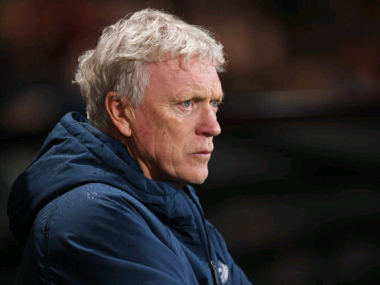
Manager David Moyes hasn’t hidden the striking contrast between Everton’s home struggles and their encouraging away form. Recent positive results on the road—including a confidence-boosting win at Fulham—only highlight the uncertainty gripping the team when they play on Merseyside.
“It’s clearly something we need to address,” Moyes admitted. “We’ve proved we can compete anywhere. The challenge now is turning our own ground into a real advantage.”
Players appear caught between two worlds. The unfamiliar pitch dimensions, different sightlines, and sprawling stands subtly alter the flow of matches. Analysts have pointed to Everton’s habit of starting slowly at home, almost burdened by expectation. Take the lead, and they retreat nervously; fall behind, and anxiety quickly takes hold.
Sports psychologists often talk about stadiums carrying a “collective memory.” Goodison’s was forged through decades of dramatic fightbacks and gritty survival battles. Hill Dickinson, by contrast, is still writing its own story—and for now, that story reads as one of uncertainty.
Making matters worse are the logistical headaches accompanying the move. Supporters have voiced frustration over poor signage, persistent queues and limited food choices, transport delays on matchdays, and accessibility issues for disabled fans. Privately, some season-ticket holders admit they’re reconsidering renewing—prompted by both poor results and the overall matchday experience.
The club insists it’s listening, promising improvements to signage, catering, and shuttle services in close consultation with fan groups. Officials stress that early problems are inevitable with any major relocation, and the long-term gains will ultimately outweigh current frustrations.
Still, timing is everything. These difficulties sting far more when accompanied by defeats.
Saturday’s visit of Manchester United carries extra weight. A commanding display against one of English football’s traditional giants wouldn’t just earn three points—it could begin shaping belief in Everton’s new surroundings.
For Everton, this season was meant to represent renewal: financial stability, world-class facilities, a return to competitiveness. Instead, the story has become one of adaptation, patience, and resilience.
New stadiums promise transformation, but guarantees are harder to come by. Atmosphere isn’t something architects can design; it has to be built, moment by moment, through shared experiences that bind players and supporters together.
If Hill Dickinson Stadium is ever to become a fortress, it will need more than gleaming steel and glass. It will demand courage on the pitch, understanding in the stands, and a performance powerful enough to turn nervous whispers back into a deafening roar.

 admin
admin